Checking Out the Crucial Elements of an Efficient A/c System
An efficient a/c system is built on several vital elements that work in harmony. Each component, from the thermostat to the ductwork, plays a crucial function in preserving convenience and power performance. Recognizing these elements is essential for optimizing efficiency and boosting interior air top quality. As one takes a look at these parts, the intricate relationships between them disclose insights right into improving total system effectiveness. What particular factors add most to this efficiency?
The Function of the Thermostat in A/c Performance

Although commonly ignored, the thermostat plays a critical duty in the performance of heating and cooling systems. HVAC experts. This small tool acts as the key nerve center, controling temperature setups and ensuring suitable comfort within an area. By properly sensing the ambient temperature level, the thermostat interacts with the air, heating, and air flow conditioning systems to keep the desired environment
An effective thermostat reduces energy consumption by turning on the heating and cooling system just when essential, consequently stopping too much home heating or air conditioning. Modern programmable and clever thermostats enhance this performance better by permitting customers to establish routines and from another location readjust settings, adjusting to day-to-day routines.
Additionally, the placement of the thermostat is crucial; inappropriate place can lead to inaccurate temperature analyses, leading to ineffective operation. In general, a well-functioning thermostat not just boosts comfort yet also adds substantially to power financial savings and the durability of the cooling and heating system.
Understanding the Significance of Air Filters
Air filters offer a vital function in HVAC systems by ensuring that the air flowing within an area remains tidy and healthy. These filters catch dirt, irritants, and other contaminants, avoiding them from being recirculated throughout the atmosphere. By capturing these bits, air filters add to enhanced indoor air quality, which can considerably profit occupants' wellness, particularly those with allergies or respiratory conditions.
Additionally, keeping tidy air filters enhances the effectiveness of heating and cooling systems. Clogged up filters can restrict airflow, triggering the system to work tougher to preserve wanted temperature levels, resulting in boosted power intake and greater utility costs. Routinely replacing or cleaning up filters is a crucial maintenance step that can prolong the lifespan of heating and cooling devices. Inevitably, comprehending the relevance of air filters enables homeowners and structure supervisors to take positive steps to ensure a well-functioning, reliable cooling and heating system that promotes a risk-free and comfortable indoor setting.
The Capability of the Heater and Heatpump
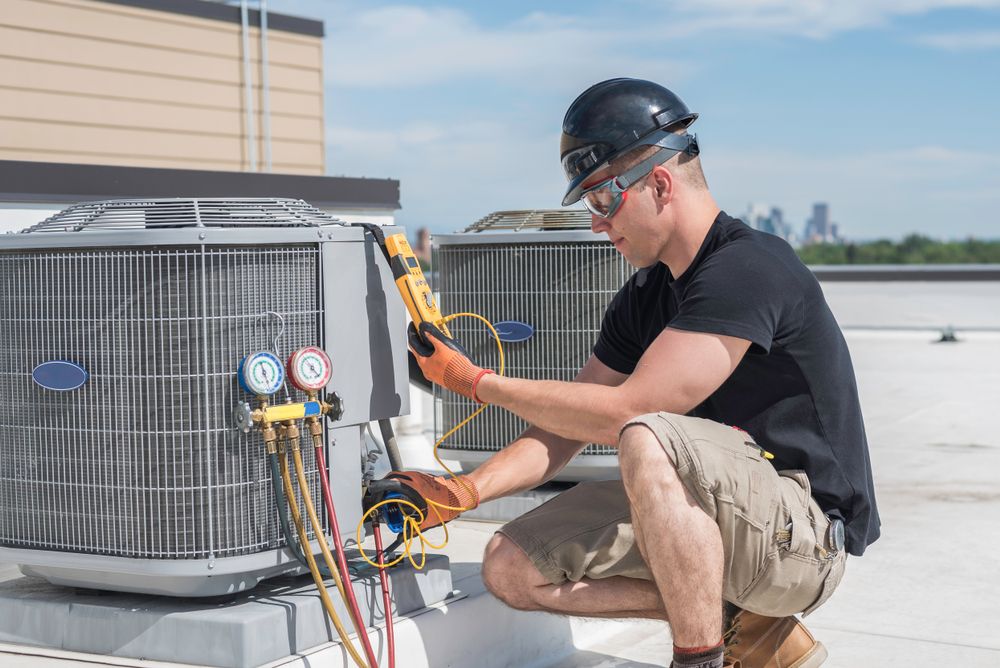
Furnaces and heatpump are critical components of heating and cooling systems, in charge of giving warmth throughout colder months. Furnaces operate by home heating air with burning or electrical resistance, then dispersing it throughout the home using air ducts. They commonly use quick heating and can be sustained by all-natural gas, electrical energy, or oil, depending on the system type.
On the other hand, heatpump transfer heat instead of generate it. They extract warm from the outdoors air or ground, also in low temperature levels, and transfer it indoors. HVAC experts. This twin capability allows heatpump to also provide air conditioning in warmer months, making them versatile choices for year-round environment control
Both systems need appropriate maintenance to assure efficiency and durability. While heating systems excel in extreme cool, heatpump can be advantageous in moderate climates. Comprehending their unique capabilities help home owners in picking the most suitable alternative for their heating needs.
Checking Out the A/c Unit
The cooling device is a crucial component of HVAC systems, available in various kinds to suit various needs. Recognizing the efficiency rankings of these units is important for making educated choices regarding energy usage and expense. This section will certainly explore the diverse sorts of air conditioning unit and clear up how performance scores effect performance.
Kinds of Air Conditioners
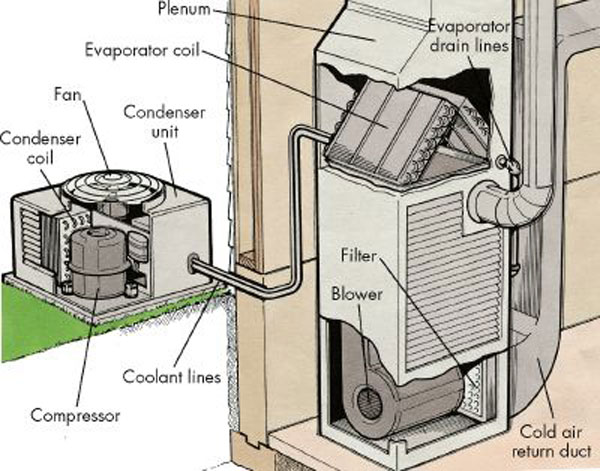
While numerous elements influence the option of air conditioning systems, understanding the different kinds readily available is essential for house owners and structure managers alike. Central air conditioners are created to cool down entire homes or buildings, using a network of ducts for air movement. Home window units offer a more localized remedy, suitable for solitary rooms or tiny areas. Mobile air conditioning system supply adaptability, allowing individuals to relocate the system as needed. Ductless mini-split systems are an additional option, integrating the effectiveness of main systems with the ease of zoning, as they require no ductwork. Finally, geothermal systems harness the planet's temperature for energy-efficient cooling. Each kind comes with distinctive advantages, making educated selections vital for reliable environment control.
Efficiency Rankings Clarified
Recognizing efficiency scores is crucial for selecting the ideal air conditioning device, as these metrics offer insight into the system's efficiency and power consumption. The most common score for air conditioners is the Seasonal Energy Performance Proportion (SEER), which measures the cooling output during a normal cooling season split by the complete electrical energy input. A higher SEER shows far better effectiveness. Furthermore, the Energy Efficiency Ratio (EER) is made use of for determining efficiency under certain conditions. One more vital metric is the Power Star certification, which indicates that an unit fulfills rigorous power performance standards. By examining these ratings, customers can make educated options that not only optimize comfort but additionally minimize energy expenses and ecological impact.
The Significance of Ductwork and Air movement
Efficient ductwork style and air flow administration play important functions in the overall performance and efficiency of HVAC systems. Proper ductwork guarantees that conditioned air is dispersed uniformly throughout an area, reducing temperature changes and improving convenience. Well-designed air ducts minimize resistance to airflow, decreasing the workload on heating and cooling devices and ultimately decreasing energy consumption.
Air movement monitoring includes tactically placing vents and registers to boost the circulation of air. This stops usual concerns such as chilly or hot areas, which can occur when airflow is blocked or inadequately balanced. In addition, the right duct products and insulation can further boost efficiency by decreasing heat loss or gain during air transportation.
An effective ductwork system not only adds to energy cost savings yet can additionally extend the life expectancy of heating and cooling tools by reducing unneeded pressure (HVAC experts). Consequently, recognizing the importance of ductwork and air movement is important for accomplishing peak a/c system efficiency
Regular Upkeep Practices to Boost Efficiency
Routine upkeep techniques are crucial for ensuring peak performance of a/c systems. These methods consist of regular evaluations, cleansing, and essential repairs to keep the system running efficiently. On a regular basis changing air filters is vital, as clogged up filters can obstruct air movement and decrease efficiency. Additionally, service technicians must examine and clean evaporator and condenser coils to stop overheating and power wastefulness.
Annual specialist evaluations are also suggested, as skilled service technicians can recognize potential issues prior to they escalate. Lubing moving parts decreases wear and tear, adding to a much longer lifespan for the system. Additionally, ensuring that the thermostat functions appropriately aids in preserving suitable temperature control.

Frequently Asked Inquiries
Just how Often Should I Replace My Thermostat?
Thermostats should commonly be replaced every 5 to ten years, depending on use and modern technology improvements. Normal checks are advisable to assure peak efficiency, particularly if experiencing irregular temperature level control or boosted power prices.
What Dimension Air Filter Is Ideal for My Heating And Cooling System?
The ideal dimension air filter for a cooling and heating system differs by system design. Commonly, it's vital to speak with the owner's manual or check the existing filter dimensions to assure peak performance and air high quality.
Can I Mount a Warmth Pump Myself?
Installing a heatpump individually is feasible for proficient people, but it requires knowledge of local codes and electrical systems. Working with an expert is suggested to ensure correct setup and excellent system efficiency.
Exactly how Do I Know if My Ductwork Is Effective?
To identify ductwork performance, one need to look for leaks, measure air flow at vents, check insulation quality, and examine temperature differences between supply and return ducts. Specialist evaluations can provide comprehensive understandings right into overall efficiency.
What Are Signs My HVAC Requirements Immediate Upkeep?
Signs that an a/c system needs prompt maintenance include unusual sounds, inconsistent temperature levels, enhanced energy costs, unpleasant smells, and frequent biking. Attending to these issues quickly can prevent additional damages and warranty peak system efficiency.
Air filters serve a vital feature in A/c systems by guaranteeing that the air circulating within a room stays read more tidy and healthy. Furthermore, maintaining tidy air filters boosts the effectiveness of Heating and cooling systems. Ductless mini-split systems are another choice, incorporating the efficiency of central systems with the benefit of zoning, as they require no ductwork. Recognizing efficiency scores is vital for picking the appropriate air conditioning unit, as these metrics give understanding into the system's performance and power intake. The best size air filter for a Heating and cooling system varies by device layout.